

At the 1851 Trust, we believe science should be experienced, not just taught.
Through Sport Inspired Learning, we connect real-world performance, teamwork, and innovation to classroom science — helping young people see how physics, engineering, and sustainability come to life through sport.
That’s why the findings from the State of Primary Science in the UK 2025 report by the Primary Science Teaching Trust (PSTT) resonate so strongly with us. The report highlights progress — but also some urgent challenges that every educator, policymaker, and charity partner must take seriously.
Here are five key insights that stood out, and what they mean for the future of science teaching.
1. Science is finally getting more airtime — and that’s progress
More schools now have a designated science lead, and weekly lessons are becoming the norm. That means more opportunities for pupils to explore, question, and experiment — the very heart of great science learning.
Our view: Structure is vital, but it’s the spark that turns structure into engagement. That’s why our STEM Crew resources are packed with hands-on, context based learning that make science feel exciting and relevant from day one.
2. Confidence counts — and too many teachers are losing it
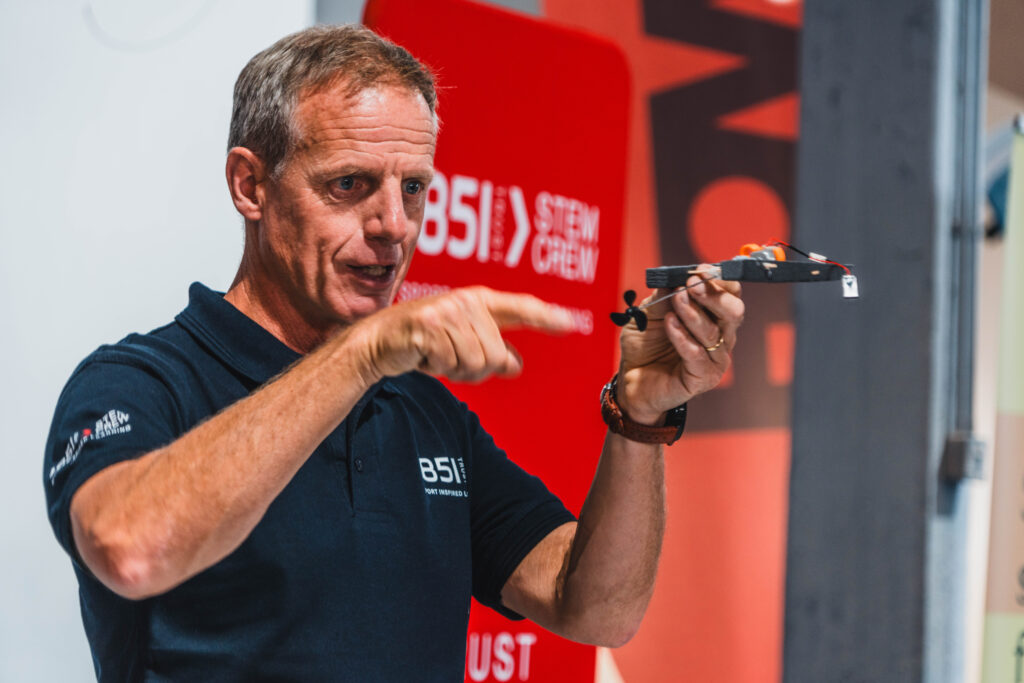
Despite more provision, teacher confidence in teaching science is falling. Many educators say they don’t feel equipped to deliver engaging, practical science lessons.
Our view: You don’t have to be a scientist to inspire scientists. Our free classroom resources, videos, and assemblies are designed to give teachers everything they need to bring science to life — even if it’s not your specialist subject.

3. Unequal access to CPD and mentoring is holding schools back
Teachers who aren’t science leads often lack access to mentoring or subject-specific CPD. This can make science feel isolating or less supported than literacy or maths.
Our view: Every teacher deserves to feel confident leading science. We’re working to make our professional learning opportunities more accessible, with training and events that connect science to sport, engineering, and sustainability.

4. Leadership makes all the difference
Schools with strong science leadership report better outcomes across the board — from teacher confidence to enrichment activities like outdoor learning.
Our view: Leadership inspires culture. We love supporting Science leads, over 40% of UK schools use our resources that champion collaborative, practical, and curiosity-driven science.
5. We must close the access gap
The report shows big disparities in resources and enrichment opportunities between schools and regions. Too often, access to hands-on science depends on where you live.
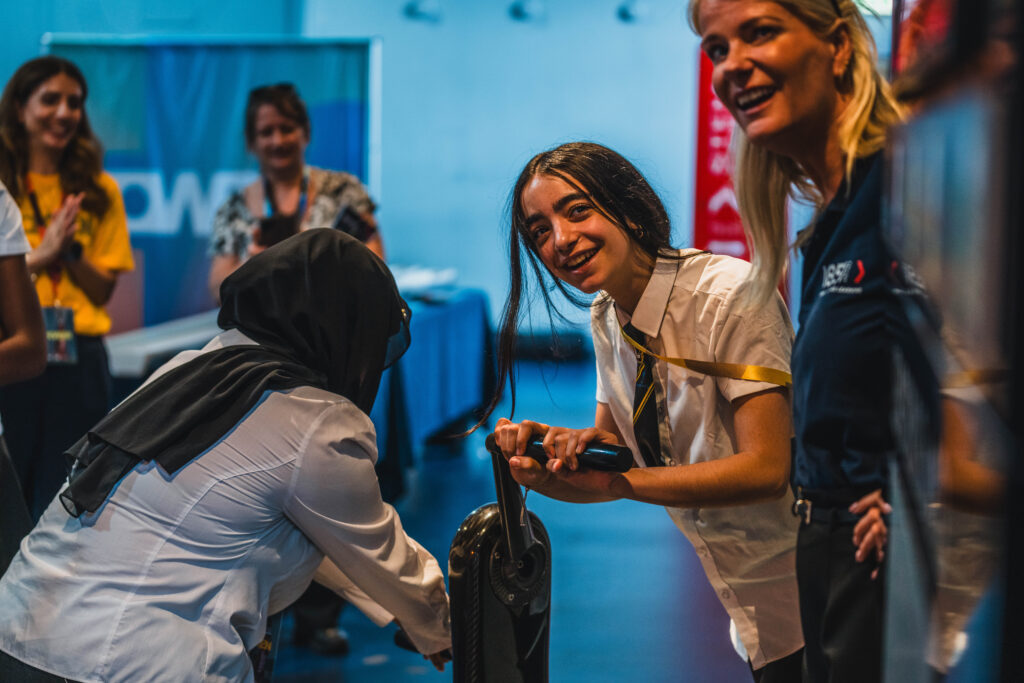
Our view: Science provision shouldn’t be a postcode lottery. The 1851 Trust is committed to removing barriers — offering free digital resources, in-school STEM Crew Live events, and assemblies that reach every type of school and student as we believe that STEM should be for everyone.
The message is clear, when science is hands-on, connected to the real world, and full of curiosity, young people thrive.
Explore our library of free STEM Crew resources for your classroom 👉 www.stemcrew.org.uk